Blog

Best 7 Tires for Hybrid SUVs

Best 7 Tires for Hybrid SUVs

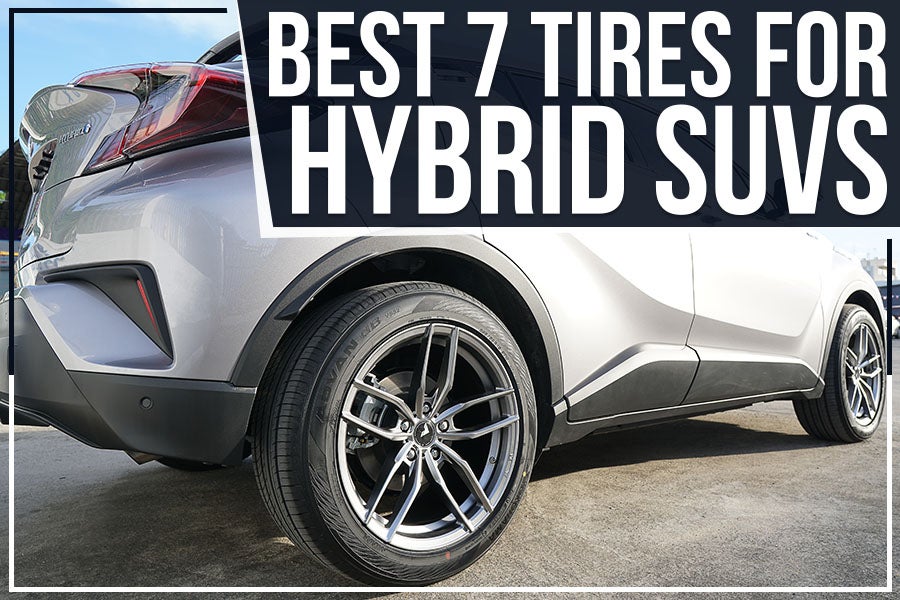
Are you the scornful owner of a hybrid SUV? If so, you know that you need to take care of it and make sure that you are using the best tires. Not all tires and wheels are made equal, and some can actually do more harm than good when used on a hybrid car. In this post, Vann York Toyota will tell you what the best tires for hybrid SUVs are so that you can keep your car running safely and smoothly. Happy driving!

  1. Dunlop Enasave

The Dunlop Enasave EC is a great option when it comes to hybrid SUV tires. This tire is designed to provide fuel efficiency and low emissions, making it the perfect choice for eco-conscious drivers. The EC also features a tread pattern that helps to improve braking and handling in wet weather conditions.

  1. Michelin Premier LTX

The Michelin Premier LTX is another excellent option for hybrid SUV owners. This tire was designed with comfort in mind, and it offers a quiet ride and long wear life. The Premier LTX also features a special rubber compound that helps to improve traction in both wet and icy conditions.

  1. Continental CrossContact LX20

If you’re darting for a tire that can handle various driving conditions, the Continental CrossContact LX20 is a great option. This tire was built for drivers who want superior performance in wet and dry weather. It also comes with a tread pattern that helps to reduce noise levels on the road.

  1. Bridgestone Ecopia EP422

The Bridgestone Ecopia EP422 is an excellent choice for hybrid SUV owners looking for fuel economy. This tire is designed to provide maximum fuel efficiency. It also comes with a tread pattern that helps to improve braking and handling in wet weather conditions.

  1. Firestone Destination LE2

The Firestone Destination LE2 is ideal for drivers who want a reliable all-weather tire. This tire comes with an all-season tread pattern that provides superior traction in wet and dry weather conditions. It also has an extended tread life, making it a good choice for drivers who do a lot of highway driving.

  1. Michelin Latitude Tour HP

The Michelin Latitude Tour HP is an immaculate choice for hybrid SUV owners looking for an all-weather tire. This tire comes with an all-season tread pattern that provides excellent traction in wet and dry weather conditions. It also has an extended tread life, making it a good choice for drivers who do a lot of highway driving.

  1. Pirelli Scorpion Verde

The Pirelli Scorpion Verde is a fantastic choice for hybrid SUV owners who want an environmentally friendly tire. This tire is made with carbon-neutral materials. It features a low rolling resistance that helps improve fuel economy. It also provides exceptional traction in wet and dry weather conditions.

Ending Note

If you’re in the market for hybrid SUV tires, be sure to check out our selection at Vann York Toyota. Our car experts can help you find the perfect set of tires for your vehicle in High Point, NC, and get them installed quickly and easily. Schedule a service appointment today, and let us take care of everything!

Recommended Posts

Red Flags to Walk Away from a Car Sale: A Buyer's Guide to Avoiding Pitfalls

Purchasing a car can be an exciting venture, but it’s crucial to approach it with a discerning eye to avoid potential pitfalls. While many sellers are honest and transparent, there are instances where red flags may signal potential issues with the car or the transaction itself. In this guide, we’ll explore key red flags that should make you reconsider a car sale, empowering you to make informed decisions and avoid regrettable purchases. Incomplete or Inconsistent Vehicle History: A comprehensive vehicle history report is a crucial document when buying a used car. If the seller hesitates or refuses to provide this information, consider it a red flag. Additionally, carefully review the report for inconsistencies or signs of major accidents, title issues, or odometer discrepancies. A lack of transparency in the vehicle’s history is a clear warning sign. You should also be wary of a seller who is unable to provide the car’s maintenance records or proof of regular servicing. Refusal of a Pre-Purchase Inspection: A reputable seller should have no qualms about allowing a pre-purchase inspection by a trusted mechanic. If the seller refuses or insists on using their chosen mechanic, it raises suspicions. A pre-purchase inspection can unveil hidden problems, and if the seller is unwilling to accommodate this, it’s a sign that they may be hiding issues with the car.  Ensure that inspection is done by a reliable party and be wary of sellers who discourage it. Overly Pushy or Aggressive Behavior: Pay attention to the demeanor of the seller. If they are overly pushy, aggressive, or rushing you through the process, it may be an attempt to divert your attention from potential concerns. A seller who is genuinely interested in a fair and transparent transaction will give you the time and space to make an informed decision. Every car sale involves negotiation, but if the seller’s behavior is making you uncomfortable or pressured, it may be best to walk away. The car may not be worth the risk. Inconsistent or Vague Information: When discussing the car’s details, pay attention to the information provided by the seller. If their responses are inconsistent or vague, it could indicate a lack of knowledge about the car’s history or condition. A reliable seller should be able to provide clear and accurate information about the vehicle without hesitation. If there seem to be discrepancies, it’s best to be cautious and walk away from the sale. Letting go of a potentially problematic car is better than dealing with costly repairs in the future. Unrealistic Pricing: If the price seems too good to be true, it probably is. Sellers who significantly underprice a car may be attempting to mask hidden issues or motivate a quick sale. Research the market value of the specific make and model you’re interested in to ensure that the asking price aligns with the prevailing rates. If the price is significantly lower than what you would expect, it may be a red flag and best to move on from this particular seller. Lack of Required Documentation: A legitimate car sale should come with proper documentation, including the title, maintenance records, and a bill of sale. If the seller cannot produce these essential documents or offers excuses for their absence, it’s a red flag. Without proper documentation, you may face legal and financial complications down the road. It’s best to avoid these risks by walking away from the sale. High Mileage and Wear for the Age: Excessive mileage and signs of wear and tear that seem disproportionate to the car’s age can indicate a history of hard use or inadequate maintenance. While high mileage alone doesn’t necessarily mean a car is a bad deal, it’s important to consider the overall condition and maintenance history to assess its true value. If the car seems to have gone through a lot in its relatively short lifespan, it may be best to steer clear of this purchase. Your mechanic can also help you evaluate if the car has been properly maintained, giving you an expert opinion on whether it’s a good buy or not. Unusual Noises or Odors During a Test Drive: A test drive is a crucial step in evaluating a used car. Pay attention to any unusual noises, vibrations, or odors that may arise during the drive. These issues could be indicative of underlying mechanical problems that may require costly repairs. If the seller downplays or dismisses such concerns, it’s a red flag. A reliable seller should be transparent about the car’s condition and history, including any potential issues. If you notice anything concerning during your test drive, it’s best to consider another vehicle. Inability to Provide a Clear Title: A clear and valid title is essential for a legal and smooth transfer of ownership. If the seller cannot produce the title or if there are inconsistencies with the information on the title, it’s a significant red flag. Without a clear title, you risk encountering legal complications and challenges in registering the car in your name. Always ask to see the title and verify its authenticity before making a purchase. If the seller is unable or unwilling to provide a clear title, it’s best to walk away from the sale. Sketchy Payment Requests: Be cautious if the seller requests payment through unconventional methods or pressures you to make a quick transaction without proper documentation. Cash-only transactions, requests for payment through wire transfers, or the insistence on using specific payment platforms can be red flags for potential scams or fraudulent activities. It’s always best to use secure and traceable payment methods to protect yourself from potential scams or disputes. If the seller is making unusual or suspicious payment requests, it’s a definite sign to walk away from the sale. Contact Vann York Toyota for a Hassle-Free Car Buying Process Navigating the used car market requires a vigilant approach to avoid falling victim to potential scams or purchasing a vehicle with undisclosed issues. By staying alert to red flags such as incomplete vehicle history, refusal of inspections, aggressive behavior, unrealistic pricing, and other warning signs, you can protect yourself from making regrettable decisions. Remember, a thorough examination, proper documentation, and a cautious mindset are your best allies when embarking on the journey of purchasing a used car. And if you want a hassle-free car-buying process, contact Vann York Toyota. Our experienced and reliable team will assist you in finding the perfect pre-owned vehicle that meets your needs and budget. With our transparent and trustworthy approach, you can drive away with peace of mind knowing that you’ve made a sound investment. Visit us today and let us help you buy your dream car.


Maintaining Zen Behind the Wheel: Top 10 Tips for Beating Road Rage

In the fast-paced world of commuting and daily traffic, road rage has become an unfortunate reality for many drivers. The stress, frustration, and impatience that often accompany congested roads can escalate into aggressive behavior, putting not only the enraged driver but also others on the road at risk. If this sounds like a familiar scenario, don’t worry, you’re not alone. Fortunately, there are effective strategies to help you maintain your cool behind the wheel and beat road rage. Here are the top 10 tips for keeping calm and staying safe on the road. Plan Ahead and Allow Extra Time: Start the Day Stress-Free One of the leading causes of road rage is the feeling of being rushed or running late. That’s why you need to plan your day and departure time well in advance to allow room for instances of delay on the road. Give yourself extra time to reach your destination, considering potential traffic delays. Starting your day with a well-thought-out plan can significantly reduce stress and frustration behind the wheel. Practice Deep Breathing and Relaxation Techniques: Stay Calm in Traffic Jams When stuck in traffic, it’s easy to feel trapped and anxious. Instead of succumbing to frustration, practice deep breathing and relaxation techniques. Inhale deeply, hold your breath for a few seconds and then exhale slowly. Repeat this process several times. This simple exercise can help reduce tension and keep your emotions in check during traffic jams. Listen to Calming Music or Podcasts: Create a Serene Driving Environment The power of music in influencing mood is well-known. Create a playlist of your favorite calming tunes or listen to a podcast that interests you. Transform your car into a sanctuary of tranquility, making the driving experience more enjoyable. This not only helps alleviate stress but also serves as a positive distraction from the challenges of the road. Avoid Aggressive Driving Behaviors: Be a Courteous Driver Leading by example can have a profound impact on reducing road rage. Avoid aggressive driving behaviors such as tailgating, weaving in and out of traffic, or making abrupt lane changes. Demonstrate courtesy and patience on the road, signaling your intentions clearly and respecting the space of other drivers. Creating a culture of mutual respect contributes to a safer and more pleasant driving environment. Give Yourself a Time Out: Pull Over and Collect Your Thoughts If you find yourself getting increasingly agitated, it’s essential to recognize the signs and take a break. Pull over in a safe location, such as a rest area or parking lot, and give yourself a moment to collect your thoughts. Use this time to practice deep breathing, reflect on the situation, and regain composure before continuing your journey. Use Technology Wisely: Employ Navigation Apps and Traffic Updates Modern technology offers a variety of tools to help you navigate through traffic more efficiently. Use navigation apps to find the quickest route, and stay updated on traffic conditions with real-time updates. Being informed about the road ahead can prevent surprises and reduce the likelihood of frustration building up during your commute. Focus on What You Can Control: Let Go of Factors Beyond Your Reach Road rage often stems from a sense of powerlessness in the face of uncontrollable factors such as traffic, weather, or other drivers’ behavior. Instead of dwelling on these factors, focus on what you can control. Maintain your own driving habits, stay calm, and let go of things beyond your reach. Accept that delays and challenges are part of driving and approach them with a positive mindset. Practice Gratitude: Shift Your Perspective on the Road Cultivate an attitude of gratitude while driving. Instead of fixating on the negatives, such as traffic or slow-moving vehicles, focus on the positives. Be grateful for the safety of your vehicle, the ability to travel, and the scenic views around you. Shifting your perspective can create a more positive mindset, reducing the likelihood of succumbing to road rage. Educate Yourself on Anger Management Techniques: Equip Yourself with Coping Strategies Understanding anger and learning effective anger management techniques can be beneficial for combating road rage. Consider reading books, attending workshops, or seeking professional guidance to develop coping strategies. Techniques such as cognitive restructuring and problem-solving can be valuable tools for diffusing anger and maintaining a calm demeanor on the road. Report Aggressive Drivers: Prioritize Community Safety If you encounter aggressive or dangerous driving behavior, prioritize community safety by reporting it to the appropriate authorities. Many regions have hotlines or online platforms where you can report incidents of aggressive driving. By taking this step, you contribute to creating a safer road environment for everyone. Final Thought Beating road rage requires a combination of self-awareness, mindfulness, and proactive strategies. By implementing these top 10 tips, you can foster a more positive and stress-free driving experience for yourself and those around you. Remember, maintaining control behind the wheel is not just about reaching your destination; it’s about creating a safer and more harmonious journey for everyone on the road. Let patience, courtesy, and a positive mindset guide you as you navigate the challenges of daily commuting. Visit Vann York Toyota to Buy or Service Your Dream Car If you’re in the market for a new or pre-owned vehicle, visit Vann York Toyota. Our dedicated and knowledgeable team can help you find the perfect car to suit your needs and budget. And with our state-of-the-art service center, we can also handle all of your maintenance and repair needs. Contact us today to learn more about your options.

10 Signs You Might Have Gearbox Problems: A Comprehensive Guide

Your vehicle’s gearbox is a critical component that helps transmit power from the engine to the wheels, allowing you to change gears and control speed. However, like any mechanical system, gearboxes can develop issues over time. Recognizing the signs of gearbox problems is crucial to avoid further damage and costly repairs. In this blog post, we will discuss ten common signs that may indicate you have gearbox problems. Read on to learn more. Difficulty Shifting Gears One of the first signs of gearbox trouble is experiencing difficulty while shifting gears. This can manifest as a stiff or grinding sensation when engaging the clutch or moving the gear lever. If you notice resistance or the gears not engaging smoothly, it could be a sign of worn synchros, clutch problems, or a failing gearbox. The issue may worsen over time, so it’s essential to have it checked by a professional mechanic. Strange Noises Unusual noises can be an indication of various gearbox issues. For instance, a whining or humming sound while driving could mean low transmission fluid levels or worn gears. A grinding noise when shifting gears might indicate worn synchros or bearings. If you hear knocking or clunking sounds, it could mean damaged internal components. It’s essential to pay attention to any unusual noises and have them inspected promptly. Gear Slippage If you feel your vehicle slipping out of gear unexpectedly, it is a clear indication of gearbox trouble. Gear slippage can occur when the gears fail to stay engaged, causing a sudden loss of power. This can be dangerous, especially when driving at high speeds or in heavy traffic. Immediate attention from a professional mechanic is necessary to prevent accidents. This issue can be caused by worn gear teeth, faulty solenoids, or low transmission fluid levels. Leaking Transmission Fluid Transmission fluid is vital for lubricating and cooling the gearbox components. If you notice reddish-brown fluid pooling under your vehicle, it could be a sign of a leak in the transmission system. Low levels of fluid can lead to increased friction and overheating, resulting in gearbox damage. Getting the leak fixed promptly can help prevent further complications. Burning Smell A burning smell emanating from your vehicle is never a good sign, and it should not be ignored. In the context of gearbox problems, a burning odor could indicate overheated transmission fluid or worn-out clutch plates. Continuing to drive under these conditions can cause severe damage to the gearbox and other related components. It might even lead to a complete transmission failure, resulting in an expensive repair. Delayed Gear Engagement When you shift gears, there should be an immediate response from the gearbox. If there is a noticeable delay or hesitation in gear engagement, it may signify a problem within the gearbox. This delay can be caused by issues such as worn-out clutch plates, low fluid levels, or a failing gearbox control module. Your mechanic will need to diagnose the issue and provide appropriate solutions. Vibrations or Shaking Excessive vibrations or shaking while driving can be indicative of gearbox problems. The vibrations may arise from imbalanced or damaged gears, worn-out bearings, or a failing driveshaft. These symptoms can worsen over time, leading to more significant issues if left unattended. With regular maintenance and timely repairs, you can prevent these issues from escalating. Clutch Slippage The clutch plays a crucial role in gear engagement. If you notice that the engine revs increase without a corresponding increase in vehicle speed, it could be a sign of clutch slippage. Clutch slippage often occurs due to a worn-out clutch disc or pressure plate, requiring immediate attention to prevent further damage to the gearbox. Gearbox Warning Light Modern vehicles are equipped with onboard diagnostic systems that monitor various components, including the gearbox. If your vehicle’s dashboard displays a gearbox warning light, it is a clear indication of a problem. This warning light can be triggered by numerous issues, ranging from low fluid levels to electronic malfunctions within the gearbox control system. Reduced Fuel Efficiency While reduced fuel efficiency can have various causes, a malfunctioning gearbox is one potential culprit. Gearbox problems can increase friction and drag on the drivetrain, resulting in decreased fuel efficiency. If you notice a significant drop in your vehicle’s fuel economy without any apparent reason, it is worth considering a gearbox inspection. Contact Vann York Toyota To Service Your Car Recognizing the signs of gearbox problems is essential for maintaining the performance and longevity of your vehicle. If you experience any of the ten signs mentioned in this post, it is crucial to consult a professional mechanic promptly. Timely diagnosis and repair can help prevent further damage, save you money on costly repairs, and ensure your safety on the road. Remember, regular maintenance and periodic gearbox inspections are key to preventing major gearbox issues in the long run. Contact Vann York Toyota today to schedule a service appointment and keep your car running smoothly. Our certified technicians have the expertise and resources to handle all your gearbox needs efficiently. Trust us with your vehicle, and we will ensure it stays in top condition for many years to come.  So, don’t wait until it’s too late – take care of your gearbox now!