


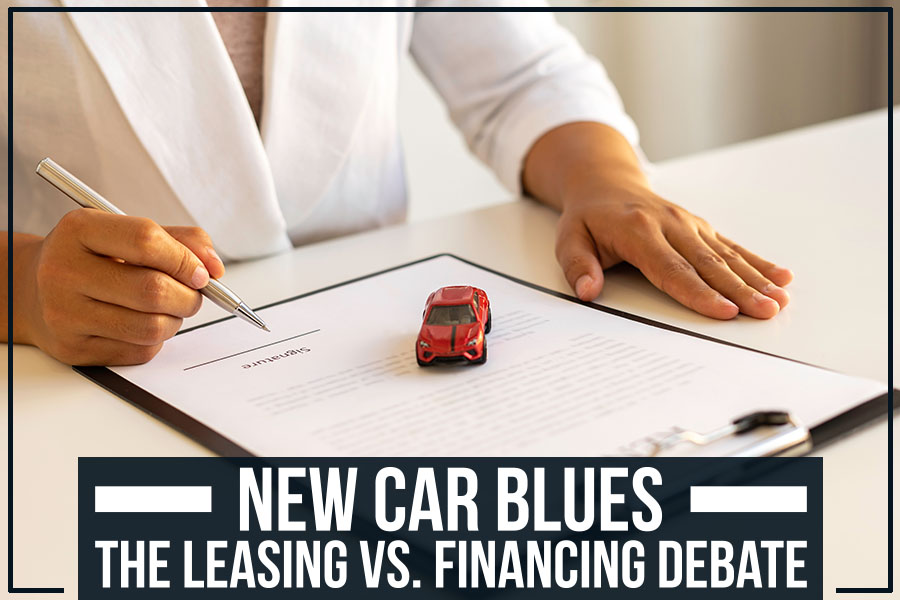
New Car Blues: The Leasing vs. Financing Debate
Key Takeaways:
- Leasing involves renting a vehicle for a set time
- You’re required to make monthly payments during the leasing term
- Financing is where you take a loan out to buy the vehicle
- You must pay the loan back in monthly installments
When scouring the market to buy a car, you must first decide whether to lease or finance it. Both options have sweets and sours, and it can be challenging to determine which is suitable for your new car.
This blog post will discuss the leasing vs. financing debate to decide which option is best for you.
What Is Leasing?
Suppose you’re unfamiliar with the term or new to the car-buying process. In that case, leasing is when you essentially rent a vehicle for a predetermined time. The lease agreement’s length is usually between 2 to 4 years. You make monthly payments during the term of the lease, and at the end of the lease, you have the option to buy or return the car.
What Is Financing?
Financing is when you take out a loan to pay for a vehicle. The loan is paid back in installments, like leasing. The main difference is that you own the car outright at the end of the term.
Financing has been the more popular option in recent years, as it offers more flexibility and freedom than leasing. You’re not restricted to a certain number of miles, so you can drive as much or as little as you want.
Why Should You Lease a Car?
No. 1: Down Payment
You don’t have to put any money down in most cases. You usually have to make a down payment when you finance a car. With leasing, you can purchase a new ride without having to come up with significant cash upfront.
Suppose your lease agreement does include a down payment. In that case, it’s a security deposit and usually much lower than what you’d pay to finance a new ride.
No. 2: Monthly Payment
Again, these two forms of car ownership differ regarding monthly payments. This is because you only pay for the car’s depreciation, plus interest and fees, while driving it. You’re not paying off the entire vehicle value as you would with a new loan.
That said, your monthly payments could be higher than a new car loan, depending on the interest rate, loan length, and other factors.
Why Shouldn’t You Lease a Car?
There are some reasons why it might not be the best option.
No. 1: Termination Trouble
If you decide that you want to get out of your lease early, you could be in for an unpleasant surprise. Most leases have precise terms and conditions about how and when to terminate your contract. If you don’t follow those, you can expect some severe penalties.
Even if you do everything right, getting out of a lease early can be difficult. You’ll likely have to find someone willing to take over your payments, and that can be tough if you’re not in a central metropolitan area.
No. 2: Wear and Tear
When you lease a car, you’re essentially borrowing it from the dealership for a set period. That means you’re answerable for its condition. If there’s any damage when you turn in the keys, you could be on the hook for some hefty repair bills.
And even if there’s no significant damage, normal wear and tear can result in fees. So, if you expect to put many miles on your new ride, leasing might not be the best option.
Why Should You Finance a Car?
Let’s look at the advantages for those looking to buy a car through financing.
No. 1: Easy Buy and Sell
Unlike a lease, when you finance your car, you have the option to sell it whenever you want. That can be a significant advantage if your circumstances change and you need to sell.
No. 2: Customizing Options
When you finance, you can do whatever you want to your new ride. That means you can add those new rims, paint it a new color or install a killer sound system without worrying about penalties.
Leasing companies don’t usually allow modifications to leased vehicles. So, financing is the way to go if you prefer a personal touch to your new car.
Why Shouldn’t You Finance a Car?
Now that we’ve covered the perks let’s consider the drawbacks.
No. 1: Vehicle Return
The biggest downside to financing your car is what happens when you want to get rid of it. If you decide to sell or trade in your vehicle before the loan is up, you’ll likely have to pay a “vehicle return penalty.” This fee can add a couple of hundred dollars – or more – to your bill.
On the other hand, leasing allows you to return the vehicle with no penalty at the end of your lease term. Of course, this isn’t an issue if you want to keep your new car for the long haul.
Auto Insurance offers some helpful insights if you’d like to learn how to return your financed car without getting penalized.
No. 2: Depreciation
When you finance a new car, its value depreciates the second you drive it off the lot. Brand-new vehicles can lose up to 20{0e441d6ab9c1e194b10d298e630061aaec753b129dc4c400460f540cfce3613c} of their value in the first year alone.
On the other hand, leased vehicles don’t suffer from depreciation because you’re never actually owning the car. Instead, you’re paying to use it for a set period. You return the vehicle to the dealership at the end of your lease term with no further obligation.
Wrapping Up
We hope this short guide from the experts at Vann York Toyota helped you learn the critical differences between leasing and financing a new car. If you’re looking to buy a car in High Point, NC, and are interested in the latest trends, check out our blog post on car shopping online.
And if you’d like to know more about buying vs. leasing a car, check out our finance department today!
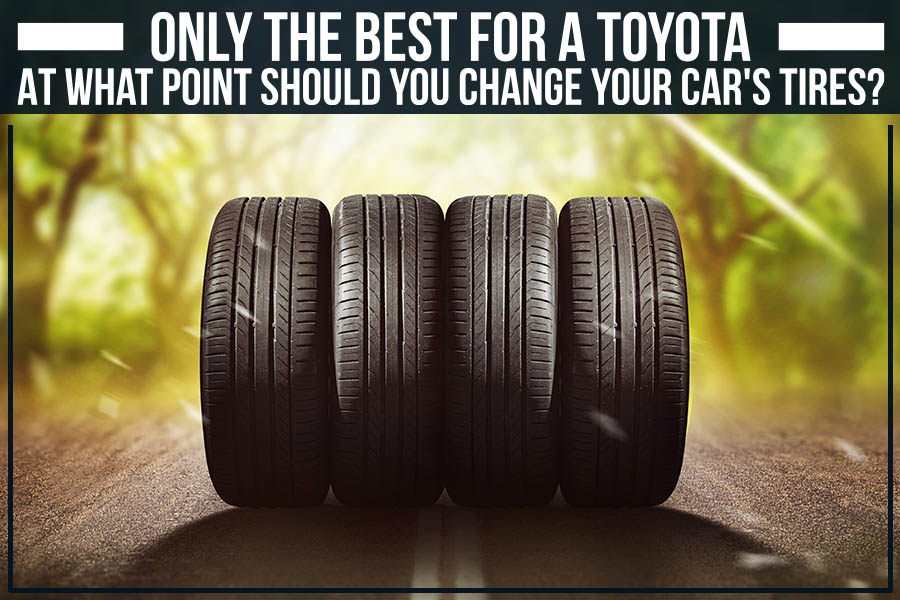
When we talk about the health of our car, we want to do everything we can to ensure that it is dashing as smoothly as possible for as long as possible. This maintenance includes regularly checking and replacing certain parts, like car tires.
But how do you comprehend when it’s time for new tires? And where can you go to find affordable replacements? This blog post by Vann York Toyota will aim to answer those questions and more. Keep reading for valuable information on maintaining your Toyota!
Should I Change My Car’s Tire After Certain Age?
Let’s start by answering your first question. The answer, unfortunately, is not as exact as we would like it to be. While it is true that car tires have a shelf life, the amount of time they last will depend on several different factors. These include how often you drive, what kind of roads you typically drive on, and even the climate in your area.
That being said, most experts agree that car tires should be replaced every six years. Of course, this is just a general guideline – if you find that your tires are starting to exhibit cues of wear and tear before the six-year mark, it may be time for a change. Conversely, take exceptional care of your tires and don’t drive often. You may be capable of getting away with keeping them for longer.
The Best Tires for Toyota
Now, let’s dive into the better part of the question – what are the best tires for Toyota? The answer to this query might surprise you – there is no one-size-fits-all answer. The best tires for your Toyota will depend on several different factors:
-
The Type Of Toyota You Have:
There are a variety of Toyota models on the market, from sedans to SUVs. The type of tires you’ll need will vary depending on the model of your car. For example, if you’ve got a Toyota Camry, which is a fine sedan, you’ll want a different type of tire than if you have a Toyota RAV4 SUV.
-
Your Driving Habits:
Do you mostly stick to city driving or venture out onto the open highway often? This will help determine what type of tire is best for you. City drivers may want a different type of tire than those who frequently drive on the highway.
-
The Climate You Live In:
Do you live in an area with a lot of snow and ice, or do you generally have milder weather? This will also help determine what type of tire is best for your car. Tires designed for use in snow and ice may not be the best choice if you often don’t have to deal with those conditions.
Once you’ve considered all of these factors, you should know what type of tire is right for your car. You can then start shopping around for the perfect tires for your Toyota.
Looking For Car Tires In High Point, NC? Let Us Help You!
Vann York Toyota, serving High Point, NC, is armed with an authorized tire center fully stocked with various tire brands. We have all types of tires to suit the different driving needs of our customers. We provide the price match guarantee, so our customers can be confident they’re getting the best deal.
If you’re not sure which type of tire is right for your car, our experts can help you choose the perfect set. You can buy tires from us confidently, knowing that you’re getting the best product at the best price.
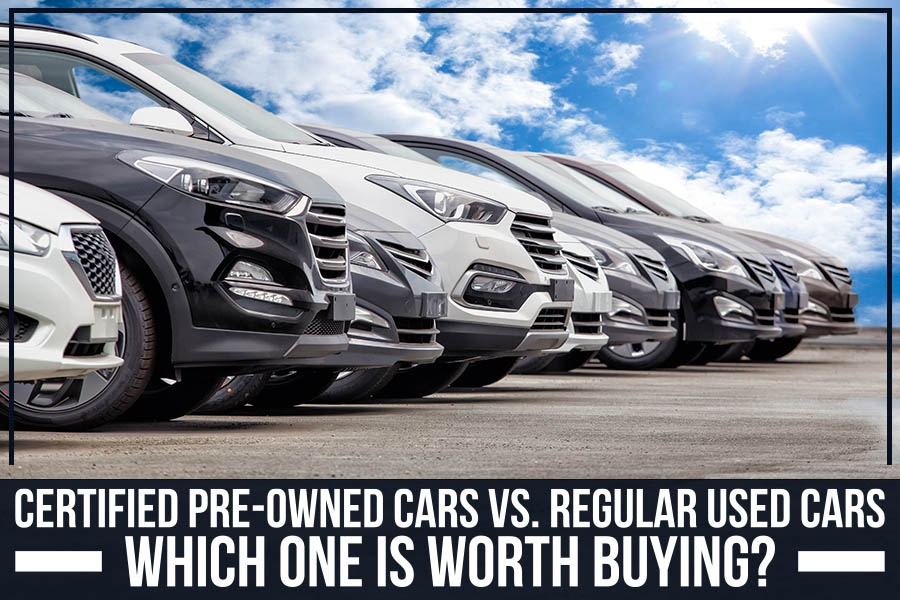
When it comes to pre-owned cars, you have two different types that you can choose from – certified pre-owned (CPO) or regular used vehicles. But which one should you choose? Here at Vann York Toyota, we want to help make your decision a little easier by listing the pros and cons of each.
Let’s go!
Regular Used Car
Pros:
- You can find a pre-owned car at a lower price than a CPO model. They typically don’t have all the same features as a CPO car.
- You have a larger selection of pre-owned cars since CPO models are limited. The wider variety allows you to find a pre-owned vehicle that fits your needs and budget.
Cons:
- You may end up with a car with more wear and tear since it’s not been thoroughly inspected like CPO models.
- You don’t have the same kind of warranty that you would with a CPO automobile. Lack of security puts you at risk for more expensive repairs down the line.
- Finding a used car that comes guaranteed may take you time and effort to track down. Not only do you have to find the right pre-owned vehicle, but you also need to find one that comes with a certification.
Certified Pre-Owned Car
Pros:
- CPO cars must pass a strict inspection process to be certified, so you know you’re getting a pre-owned vehicle in good condition. Bringing in peace of mind allows you to buy a used Toyota without worrying about many issues.
- CPO cars often come with extended warranties, giving you some peace of mind in case something goes wrong down the line. Now you can calmly enjoy your new ride without fear of expensive repairs.
- CPO cars may have special financing offers, making it easier to afford a pre-owned Toyota. A cherry on top, you could potentially get a lower interest rate than if you were to finance a regular used car.
Cons:
- When it comes to affordability, you will have to pay more for a CPO car than a regular used car. This means you cannot take advantage of lower prices for pre-owned vehicles.
- The selection of CPO models is often limited since not all pre-owned cars can qualify for certification. With this restricted pool of vehicles to choose from, you may not find the perfect car for you.
Ending Note:
No matter which type of pre-owned car you choose, be sure to do your research to raise your chances of landing the best deal. You can use this guide to weigh the pros and cons of each option so you know you’re making the right decision.
Toyota Dealership for CPO cars
Vann York Toyota, serving High Point, NC, offers a great selection of CPO cars. If you’re looking for a CPO Toyota, we can help you find the perfect model to suit your needs. With an expansive selection of certified pre-owned cars to choose from, we’re sure to have the perfect Toyota for you.
Visit our inventory today!
How To Drive Professionally On A Rainy Day?
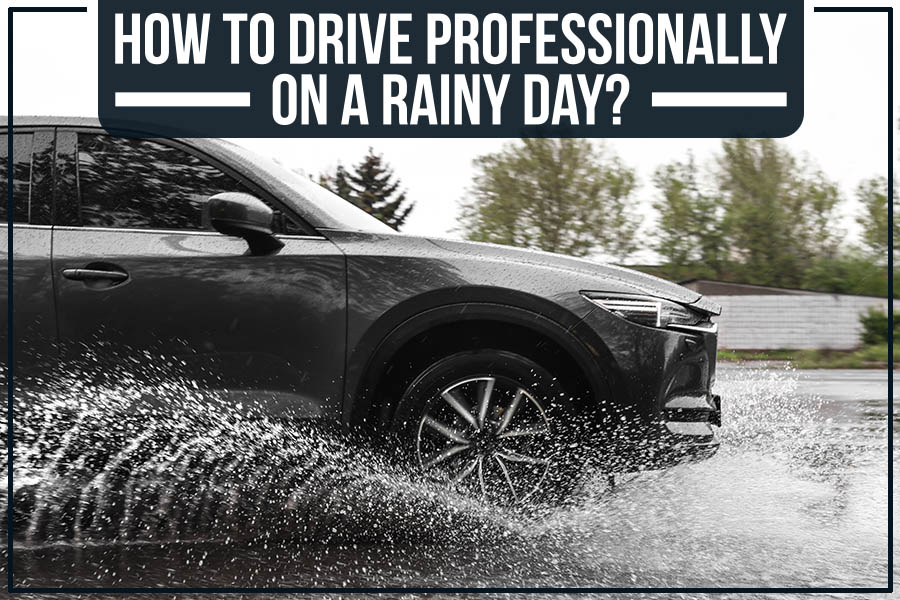
Everybody loves a great car chase scene in the movies. A sense of speed, heavy rain falls, danger, and mastery over the machine is exhilarating to watch on the big screen. But what about when you’re behind the wheel yourself?
Driving in a heavy rainstorm can be a slippery challenge, but with a few tips from the pros, you can navigate wet roads like a champ. Keep reading for Vann York Toyota’s best advice on how to stay safe (and stylish) while driving in bad weather.
Tips For Driving In Heavy Rain
-
Slow Down And Take Your Time.
Rain can make even the simplest journeys take longer, so give yourself plenty of time to reach your destination. And when we say slow down, we mean it – driving too fast is one of the main causes of accidents in wet weather.
-
Use Your Lights.
It may seem obvious, but using your headlights in the rain is crucial. Not only will they assist you in seeing better, but they’ll also make it easier for other drivers to spot you. Ensure you know how to use your car’s different lighting functions before setting off. Don’t forget to dip your headlights when approaching oncoming traffic.
-
Keep A Safe Distance From Other Vehicles.
This is important in any driving conditions, but it’s especially important when the roads are wet. It takes longer to brake in rainy weather, so you must give yourself plenty of time and space to stop. The general rule is to leave at least a four-second gap between you and the car in front, but in really bad weather, you might want to increase this to six seconds or more.
-
Avoid Sudden Braking Or Steering.
Sudden movements probably cause you to lose control of your car, so it’s best to avoid them if possible. If you need to brake or steer quickly, do it gently and smoothly to avoid skidding.
-
Be Extra Careful At Junctions.
It’s harder to see other vehicles, pedestrians and cyclists when it’s raining, so take extra care when approaching junctions and ensure you give way to any traffic that has the right of way.
-
Keep Your Windscreen And Windows Clean.
Make sure you can see out of your car’s windows before setting off, as dirty windscreens and windows will make it more difficult to see in bad weather.
-
Don’t Tailgate.
Following the car in front too closely is dangerous at the best of times. Still, wet weather is even more dangerous as it reduces your ability to stop quickly if they break suddenly.
-
Be Prepared For Hydroplaning.
It often happens with bald tires when a layer of water builds up between your tires and the road, resulting in your car losing traction with the pavement. If you sense your car is skidding in the lane, take your foot off the accelerator and don’t brake until you feel your car regain contact with the road.
Let Vann York Toyota Help You!
Vann York Toyota, serving High Point, NC, can inspect your vehicle to ensure it’s ready for bad weather. If you’ve been driving through heavy rain and your vehicle isn’t handling as it should, give us a call or schedule an appointment online.
We want to help keep you safe on the road!
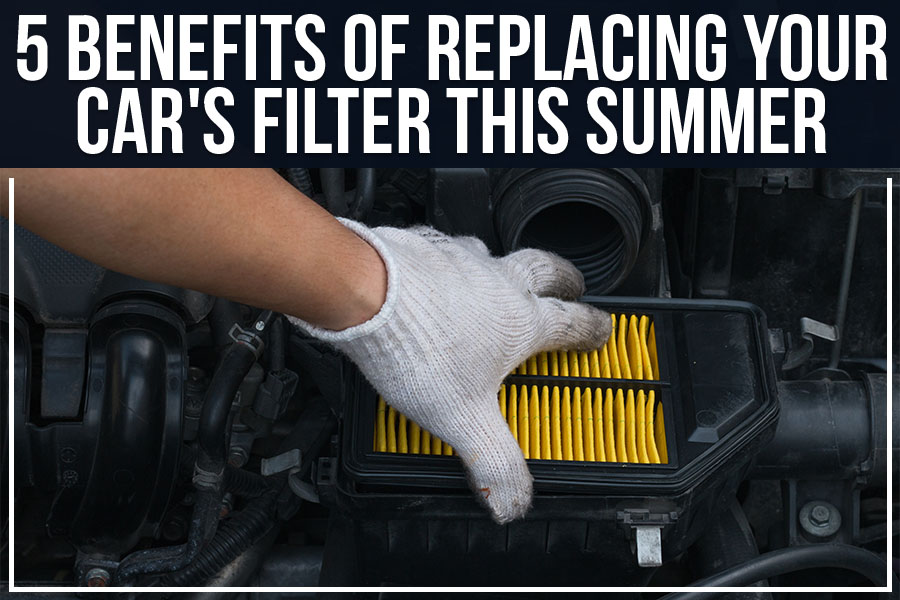
The team at Vann York Toyota knows that summertime can be brutal in North Carolina. The heat and humidity can punish your vehicle, so it’s essential to ensure all its systems are running correctly.
One component that often gets neglected is the air filter. A dirty or clogged air filter can decrease fuel efficiency and escalate engine wear.
This blog post will disclose five benefits of replacing your car’s air filter this summer!
No. 1: Fuel Efficiency
Some studies claim that changing an air filter on a modern fuel-injected car can increase acceleration by 6 to 11{0e441d6ab9c1e194b10d298e630061aaec753b129dc4c400460f540cfce3613c}.
How? A clogged air filter will impede airflow to the engine, decreasing fuel efficiency. When you replace your car’s air filter, you may notice an immediate difference in how much gas it takes to fill the tank.
No. 2: Emissions
By obstructing the airflow to the engine, a clogged air filter can also cause your car to produce higher emissions.
This is because the fuel isn’t being fully combusted, owing to a lack of oxygen in the engine. Not only is this detrimental to the environment, but it can also lead to costly repairs down the line. Spark plugs, for example, can become fouled by the carbon deposits that result from incomplete combustion.
No. 3: Engine Life
As our earlier point indicates, a dirty air filter can cause your engine to work less efficiently. This puts extra strain on the engine, leading to reduced engine life.
Don’t let a clogged air filter ruin your engine! Bring in a trusted mechanic to check things out and replace the filter if necessary. That way, if you’re looking to sell the car down the road, you can be confident that its engine is in good condition.
No. 4: Quick Fix
Instead of letting things slide and build up into a big, expensive problem, why not nip it in the bud with a quick fix?
Replacing an air filter is easy and relatively inexpensive. It’s a small price to pay for the peace of mind that comes with knowing your car is running smoothly and efficiently. Ensure you’ve got the right make and model air filter for your car, and then pop the hood and get to work.
If you’re not the do-it-yourself type, no problem. Scheduling an appointment with your trusted mechanic is a quick and easy way to get the job done.
No. 5: Easy Tracking
Dusty drives during the summer can wreak havoc on your car’s air filter. That’s why keeping track of when you last replaced it is essential.
Whether you use a mileage tracker or the good old-fashioned pen and paper method, ensure you’re diligent about recording when this maintenance task is complete. Your car’s air filter needs replacement every 12,000 to 15,000 miles. Still, this number will differ depending on your car’s type and driving habits.
Conclusion
This summer, don’t let your car suffer from a dusty air filter. Be proactive and reach out to Vann York Toyota, serving High Point, NC, and get it replaced today. We’re proud to serve our customers and are always happy to help keep their cars in tip-top shape.
Snagging Up a New Ride – 9 Signs You Need One!
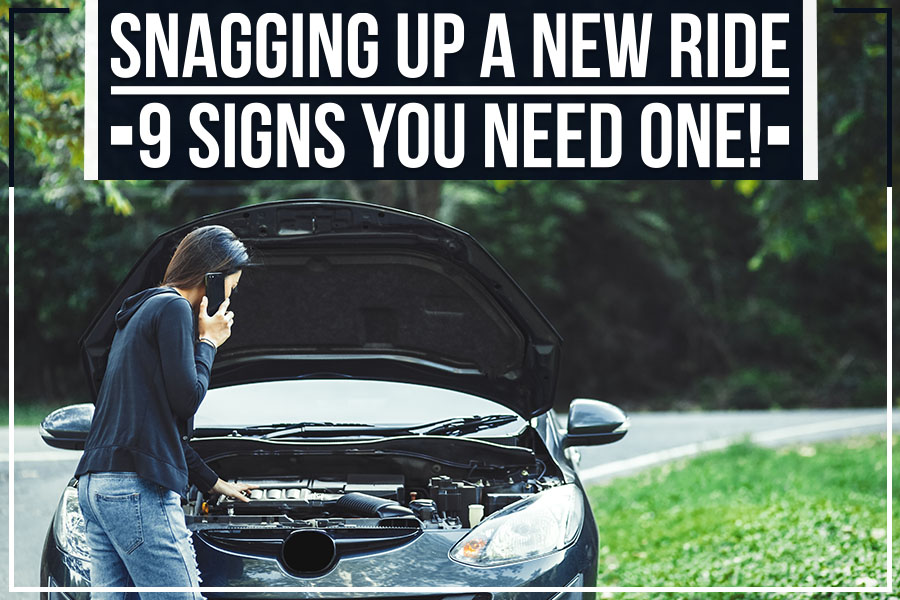
There comes a time in every person’s life when they must ask themselves an important question: do I need to buy a new car? It can be tough to tell, but there are some signs that you need to upgrade your car. Vann York Toyota will discuss nine of the most common indications that it might be time for you to get a new ride!
1. Your Are Repairing Your Car More Often
Do you find yourself making more and more trips to the auto mechanic? If it feels like your car is in the shop more often than it’s on the road, you might need to upgrade your car. A new car will likely be much more reliable and save you money in the long run.
2. Your Car is Small for Your Needs
Is your car starting to feel cramped? Maybe you’ve created a family or taken up a new hobby that requires some gear. Whatever the case, if your vehicle isn’t able to comfortably accommodate your needs, it might be time for something bigger.
3. You Want New Car Features
Do you want to upgrade your features? If your current car lacks the latest bells and whistles, trading up to a newer model can give you access to all the latest technology. From hands-free calling to built-in navigation, there are plenty of reasons to upgrade to or buy a new car.
4. Safety Concerns
If you’re not feeling safe in your current car, it may be time to upgrade your ride. Newer models often have the latest safety features to help keep you and your passengers protected on the road.
5. Fuel Efficiency
Are your gas expenses worrying you? You can now save money at the pump if you upgrade your car. Newer technology is much more fuel efficient than your oldie.
6. Care for the Environment
If you care more for the environment, trading your car for a hybrid or electric model may be the right choice.
7. You’re Due For An Upgrade
If you’ve been keeping the same car for years, it may be time to consider trading up for something new. After all, technology and safety features have come a long way in recent years – and in order to not miss out on the auto innovations, it’s smart to buy a new car!
8. Bored With Your Old Car
Are you ready for a change? Sometimes, a new car is just what you need to freshen things up. If you’re bored with your current ride, trading in for something new can give you a much-needed boost. You should probably start searching for a new ride among the dealerships offering amazing deals on new & pre-owned vehicles in High Point, NC.
9. Need Better Driving Experience
If you’re unhappy with your current driving experience, trading your car for a new one may be the answer. Maybe you want something with more power or better handling. Whatever the case, it may be time to upgrade your car if you’re unsatisfied with your current ride.
Ending Note
So, have you determined whether or not you need a new car? Here at Vann York Toyota, serving High Point, NC, we hope this article has helped you make an informed decision. If you’re still on the fence, be sure to check out our inventory of new cars.
We also have an excellent collection of new & pre-owned vehicles in High Point, NC; don’t forget to check them. We’re confident that we’ll have just what you’re looking for! Thanks for reading, and happy car shopping!
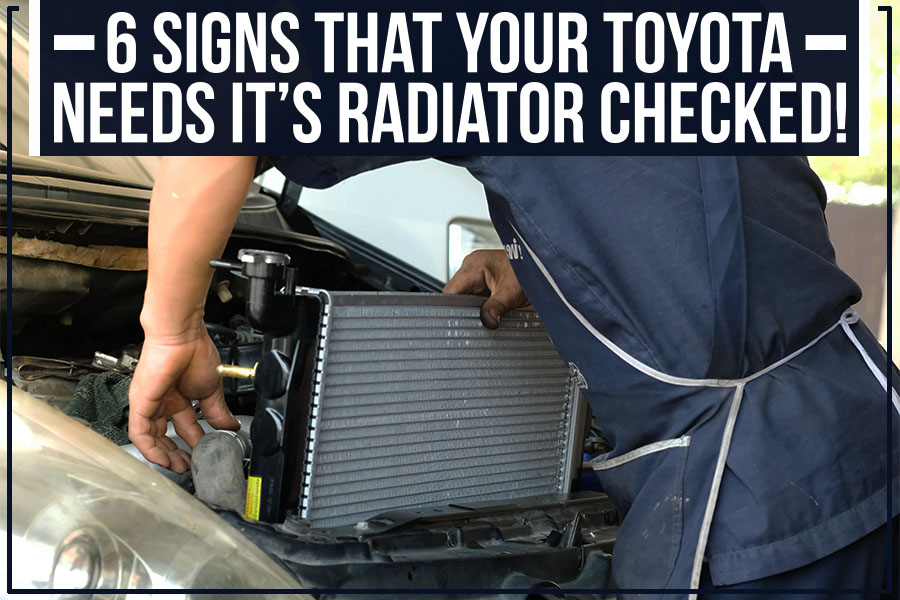
Owning a Toyota is like having the trust of a sturdy stallion. It’s reliable, efficient, and gets you where you need to go. But even the best cars need occasional maintenance & repairs. If you think your car is getting a bit too hot for the summer on the temperature gauge, then it might need its radiator checked.
That’s why it’s a smart idea to familiarize yourself with the signs for when your car needs a check for a serious overheating problem –the radiator!
Vann York Toyota will discuss six of the most common signs of a failing car radiator. Keep reading to learn more!
1. Rising Engine Temperatures
Pullover & turn off the engine as soon as you if you notice the temperature gauge showing an alarming reading. It is likely there is an issue with the coolant in the radiator. Do not touch the hood or open the radiator cap until the engine has cooled completely, as steam or hot coolant can cause severe burns.
Once the temperature lowers, check the coolant level and add more if necessary. Suppose the coolant is murky rather than the healthy green or orange. In that case, you might need to get your car to an adept auto mechanic for further diagnosis.
2. Leaking Coolant
Another sign that your radiator needs attention is leaking coolant. If you notice a puddle of bright green or orange liquid beneath your car, it’s likely coolant and smells sweet.
To check for leaks, park the car at a clean spot & run the engine for a few minutes before checking again. If there are still wet spots, it’s time to take your vehicle in for repairs. Leaks are no joke; if they are dripping onto pavement, that signals an overheating car. And if the coolant gets into the engine block, then the results are far worse!
3. Strange Noises
If your radiator starts making strange noises, this is also an indication that something is wrong. Familiar sounds include hissing, gurgling, or bubbling noises. These could be caused by a leak or an obstruction in the radiator. Either way, you’ll need to have a professional look at it.
Pullover & call in roadside assistance!
4. Steaming Engine Bay
If steam is coming out of the hood, this is a sure sign that something is wrong with your radiator. Pull over and switch off the car immediately to avoid any further damage. Once the engine has cooled down, check for cracks in the radiator hose or leaks around the radiator itself. If you see either of these, it’s time to head to the mechanic.
5. Car Stalling or Running Rough
Stalling & rough running are also the signs of a failing engine, clogged fuel lines, contaminated fuel, and dirty engine oil, so it can get hard to discern the issue here unless you have an OBD-2 tool with you to give you approximate stats on an engine close to non-recovery!
6. Burning Smell
Finally, if you notice any change in how your car smells, this could be a sign of overheating & engine oil burning. If you smell burning oil or rubber, pull over and call for help immediately.
If your car has been showing many signs of a disturbed or flawed radiator, you need your ride hauled in for repairs. Ignoring the problem will worsen the situation and lead to engine failure. So don’t wait – if you think there’s an issue with your radiator, get it checked out right away!
Ending Note
Toyota recommends scheduling regular check-ups so your car can be adequately maintained and catch minor problems before they turn into big ones. Trust us – your car will thank you! So, what are you waiting for?
Schedule your car check-up at Vann York Toyota, serving High Point, NC. We will make sure your car keeps running in top condition for years.
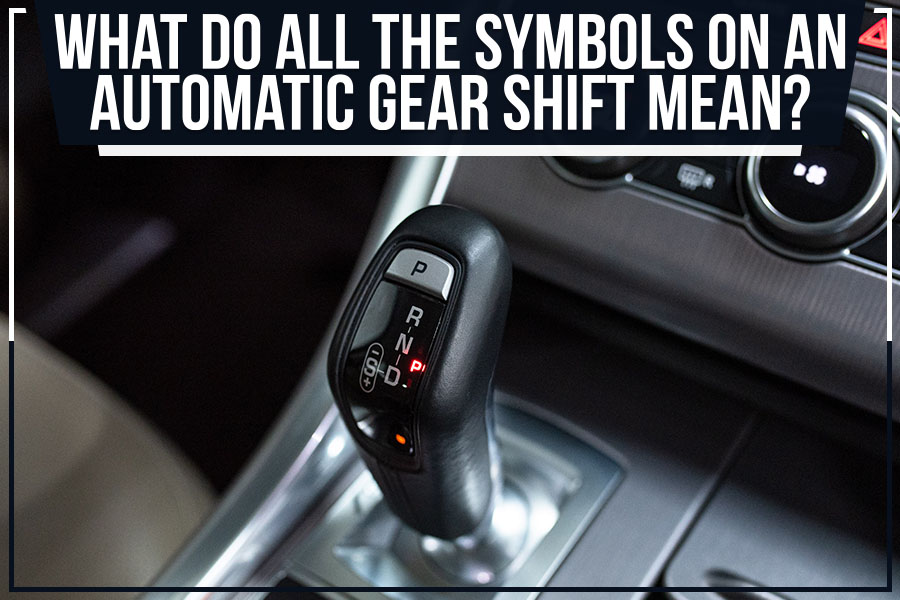
Have you ever looked at the gear knob in your car and wondered what all of the symbols meant? You’re not alone.
In this blog post by Vann York Toyota, we’ll explain everything you need to know about automatic cars!
So, next time you’re in your car, take a closer look at that gear knob and see if you can tell what each symbol means!
Letters & Numbers on the Gear Shift.
It’s important to use the proper gear for the situation you’re in. Using the wrong gear can lead to a jerky ride or damage your car!
- P – This symbol indicates that the car is in Park mode. When the car is in Park, it should not be moving.
- R – This symbol indicates that the car is in Reverse gear. This is the gear you’ll use when you’re backing up.
- N – This symbol indicates that the car is in Neutral gear. Neutral is the gear you’ll use when you’re stopped and not moving. This prevents your car from rolling and makes it easier to start moving again.
- D – This symbol indicates that the car is in Drive gear. ‘D’ is the gear you’ll use when driving forward.
- L – This symbol indicates that the car is in Low gear. You’ll use this gear when going uphill or towing a heavy load.
- S – This symbol indicates that the car is in Sports mode. This mode is used for a more aggressive driving style.
Automatic Vs. Manual Cars: Which Is Better?
Automatic gear knobs often have symbols that indicate what gear the car is in – this can be helpful for new drivers. Since you don’t have to shift gears constantly, you can relax and enjoy the ride once you put your car in “Drive.” It’s quite beginner-friendly, and you can learn to drive an automatic car within a few days!
The main downside of an automatic gear knob is that they’re often more expensive than their manual counterparts. You might not have as much control over the car’s speed and acceleration. Additionally, some people prefer the feeling of manually shifting gears and think it provides a more immersive driving experience.
It all, eventually, comes down to personal preferences and the type of roads you drive on. For stop-and-go traffic, we definitely recommend automatic cars!
So, are you all prepped to buy your new automatic car? Vann York Toyota, serving High Point, NC, has the perfect one for you. It’s reliable, efficient, and comes with a free full tank of gas. Plus, it’s Toyota Certified, so you know it will last for years
Our cars are priced incredibly low, and we’re offering an amazing 7-year / 100,000-mile warranty on all our vehicles. That means you can drive confidently, knowing that your car is covered no matter what happens.
Come to Vann York Toyota today and take one of our cars for a test drive! You won’t be disappointed.
Take a look at our inventory of new and used vehicles now!
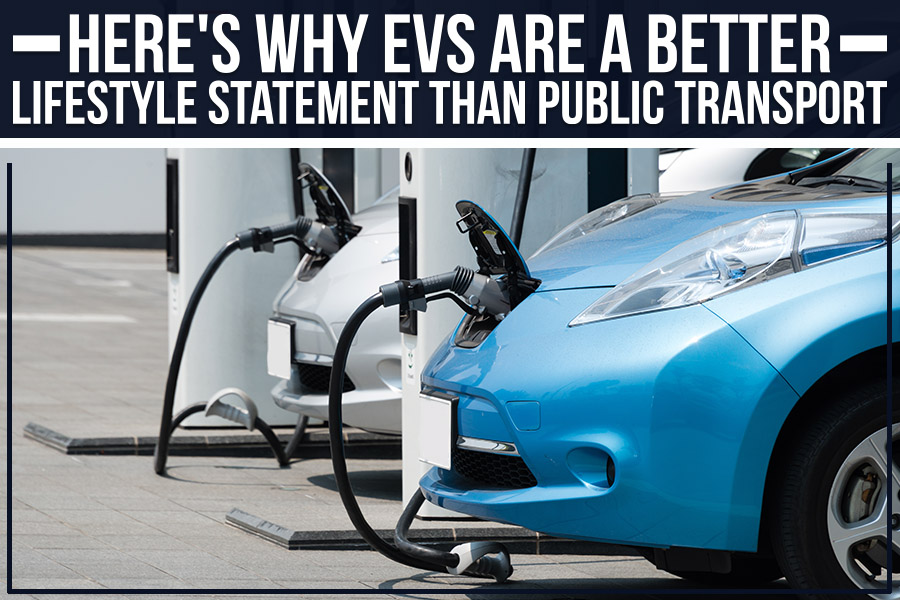
Electric vehicles have taken over the market by storm. They are more popularized as people look for ways to save money while helping the environment. EVs provide a unique driving experience that is becoming increasingly popular each year.
In this blog post, Vann York Toyota, serving High Point, NC, will explore some of the reasons why electric vehicles can make your lifestyle better than relying on public transportation. EVs have many benefits, from saving time and money to providing a more comfortable ride! Keep reading to learn more.
-
EVs Can Save Your Time:
One main reason EVs can improve your lifestyle is that they save you time. With an EV, you never have to worry about waiting for a bus or train or dealing with traffic. You can take your car and go! It can be a massive time-saver, especially if you have a busy lifestyle.
-
EVs Can Save You Money:
Another great reason to switch to an EV is that they can save you money in the long run. Not only do EVs have lower fuel costs, but they also require less maintenance than traditional gasoline cars. It means you will save money on gas and repairs over time!
-
EVs are Fun to Drive:
EVs are just fun to drive! They offer a unique driving experience unlike anything else on the road. If you’re looking for a car that is both practical and enjoyable to drive, an EV is a perfect choice.
-
EVs have Great Features:
Electric vehicles come packed with various features that make them even more appealing. Many EVs have built-in GPS, Bluetooth, and other advanced features that make them a joy to use.
-
EVs are Safe:
Electric automobiles are some of the safest cars on the road. They have a very low center of gravity, making them less likely to roll over. Also, EVs have regenerative braking systems that help recharge the battery while driving. It helps extend your EV’s life and make it even safer to use.
-
EVs are Reliable:
Electric vehicles are extremely reliable. They don’t have any of the moving parts that gas cars have, so there are fewer things that can go wrong. Additionally, EVs don’t require tune-ups or oil changes, which can save you much money in the long run.
EVs are Environmentally Friendly:
Electric cars are significantly more ecologically beneficial than gasoline automobiles. They produce no emissions, so they don’t contribute to air pollution. Additionally, EVs use less energy than gas cars, which helps conserve resources.
EVs are Affordable:
Electric vehicles are becoming more affordable as technology improves and more companies start to produce them. The government also provides tax breaks and incentives for people who purchase EVs, which can help offset the cost.
EVs are Convenient:
Electric vehicles are very convenient because you never have to stop for gas. You can charge your EV at home or work, so you’ll always have a full battery when needed. Also, EVs are very quiet so that you can enjoy a peaceful drive.
EVs are the future. They are perfect if you’re looking for a way to reduce your carbon footprint, save money, and have a more luxurious lifestyle.
Check out our new inventory page to discover the newest Toyota models available at Vann York Toyota. We have everything so that you can find the perfect EV for your needs. And don’t forget to browse our used cars page while you’re here – we always have great deals on pre-owned vehicles!
Thanks for reading, and we hope to see you soon at Vann York Toyota.
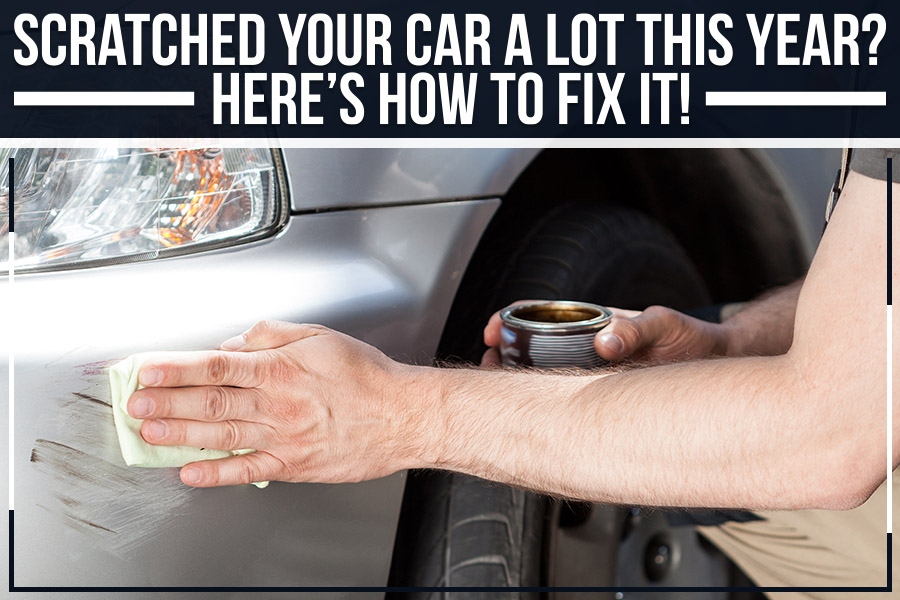
A scratch on one’s favorite car is a situation that many car owners fear. In many instances, they will be small. Still, in others, they might significantly influence a car’s overall appearance. Car scratches may happen in a variety of ways. Automatic vehicle washes, bad parking, vandalism, and vehicle accidents are all possible reasons.
Aside from robbing your car of its lustrous appearance, the cost of a professional auto bodywork expert can leave a dent in your wallet. So, at Vann York Toyota, we have compiled some easy and helpful ways to fix your car scratches without spending a fortune. Read on!
Fixing Car Scratches
Here are some simple ways to fix car scratches.
-
Use Nail Polish
One of the easiest ways to fix a car scratch is with clear nail polish. Make sure that the nail polish you use is of good quality and is compatible with your car’s paint. Also, avoid using colored nail polish, as this will make the scratch more visible.
Apply the nail polish to the scratched area in a thin layer. Let it dry completely before applying a second coat. Once the region is dry, you can use a polishing compound to buff out the scratch.
-
Use Toothpaste
Believe it or not, toothpaste can also fix minor scratches in your car’s paint job! Apply a minute amount of toothpaste (not gel) to a clean rag and rub it into the scratch in a circular motion.
Wash the area with soap and water to check if you left any scratch marks. Ensure that the area is dry, and then you can move on to the polishing part to remove the car scratch permanently.
-
Use Baking Soda
Baking soda is another common household item used to fix car scratches. Mix baking soda with water to form a paste. Apply the paste to the scratched area and rub it in with a clean microfiber cloth.
Wash the area with soap and water to remove any residue. Once the area is dried off, you can use a polishing kit to remove the car scratch.
-
Use Scratch Remover Toolkit
There are many different commercial products available that can be used to fix car scratches. Look for a product that comes with a buffer pad and polishing compound.
Follow the instructions on the kit to apply the polishing compound to the scratched area. Rub it in using circular motions.
So, there you have it – a simple guide on how to remove car scratches yourself. Of course, if you’re uncomfortable doing this kind of work or don’t have the time, you can always take your car in for a service.
But hopefully, now you know that getting those annoying scratches off your vehicle doesn’t have to cost a fortune. At Vann York Toyota, serving High Point, NC, we offer competitive rates and a wide range of services to choose from so that your car looks as good as new in no time!
Connect with us


