


6 Prevention Tips For Foggy Car Windshields
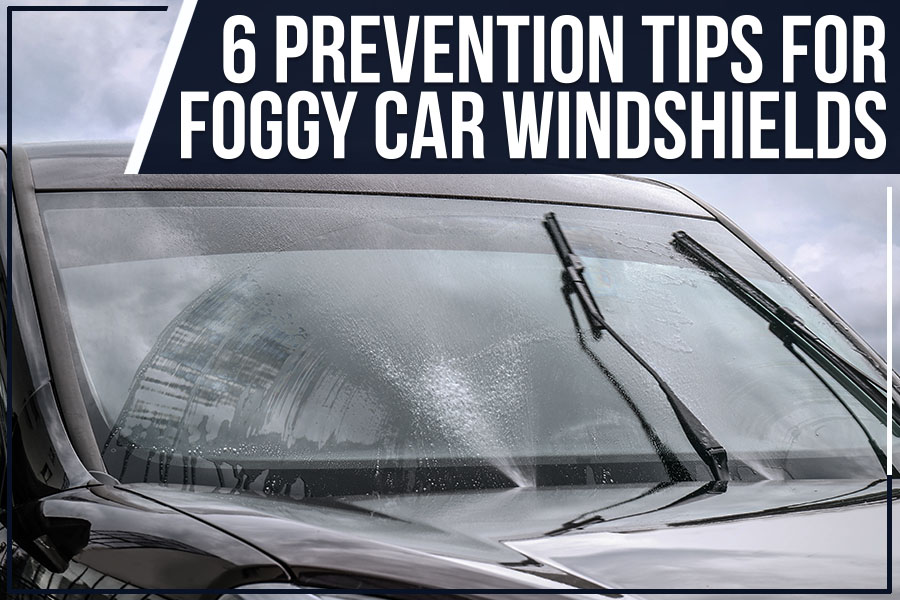
Most of us have experienced driving with a foggy windshield. In the hot & humid months, it’s practically inevitable. It can be annoying and dangerous, as having a clear view is critical when driving.
Condensation on your car windows can happen for several reasons. It could result from cold weather, humidity, or even the materials your windshield is made of. Regardless of the cause, you can do a few things to prevent your windows from fogging up.
Here are six tips to stop your car windows from fogging up:
Open The Windows A Crack:
Slightly open windows might seem counterintuitive when trying to keep the heat in, but they can help prevent condensation. By circulating the air, you’ll help keep the temperature inside your car consistent, stopping your windows from fogging up. You can slightly crack your windows too, which will help with the circulation without letting all the heat out.
Use a Dehumidifier:
If you don’t want to drive with your windows down, or if it’s too humid outside for that to be an option, then you can use your car’s dehumidifier to help prevent foggy windows. The dehumidifier will help circulate the air inside your vehicle and keep the windows and windshield clear. It is because of this reason that it’s essential to make regular checks that your car’s dehumidifier is in working condition.
Check for Leaks:
You might not even realize it, but any leaks in your car can cause the windows to fog up. Make sure to check for any leaks around the windows and doors, and if you spot any, get them fixed immediately. You can use an auto glass sealer like silicon to fix the leaks temporarily. Fill the cracks near the edge of the windows with the sealer, and then smooth them out with your finger.
Check the Humidity Level:
The humidity level inside your car majorly contributes to the windows fogging up. If the humidity level is too high, it will cause the windows to fog up. Investing in a hygrometer is the best way to check for humidity levels. You can find one at your local hardware store. If the humidity level is high, turn on your car’s air conditioner to dry the air.
Keep a Clean Windshield:
A clean windshield looks nice and keeps the fog away. Make sure to clean your windshield regularly with soapy water and a soft cloth. You can also use an auto glass cleaner to clean the inside of your windshield. Dirt and debris trap moisture, which can cause your windows to fog up. Never use a dirty cloth or paper towel to clean your windshield, as this will only worsen the problem.
Use a DIY Window Defogger:
You can use a DIY window defogger if you don’t have time to clean your windshield. You’ll need a cup of water and a tablespoon of vinegar. Mix the water and vinegar and put it in a spray bottle. Simply spray the solution on your windshield when your windows start to fog up and wipe it dry with a clean cloth. The vinegar window defogger works by creating an acidic film on the glass that repels water.
Conclusion:
We hope these tips by Vann York Toyota, serving High Point, NC, have helped you learn how to stop car windows from fogging up.
If your windows are still fogging up, it’s time to schedule service so our experts can take a look.
We wish you clear skies and safe driving!

It’s always interesting to think about what the future of cars holds. As technology rapidly evolves, we can only imagine all the possibilities that will soon be available in our vehicles. This year, there are several innovations that car enthusiasts can look forward to. Please keep reading to discover more about them!
-
Personal Assistants
Thanks to in-car personal assistants, multi-tasking operations while driving will soon be a thing of the past. These assistants will handle your phone calls, send texts, and even adjust the climate control settings. Personal assistants will allow drivers to focus on the road ahead and avoid distractions.
-
Self-Driving Cars
One of the most anticipated advancements in vehicle technology is the introduction of self-driving cars. While we’re not quite there yet, significant strides have been made in this area. Many companies are working on perfecting this technology so that we can soon enjoy the benefits of hands-free driving.
-
Augmented Reality
This technology can potentially transform how we interact with our vehicles. With augmented reality, your car can display important information on the windshield right in front of you. This could include navigation, traffic updates, and even weather conditions.
-
Vehicle Connectivity
What if your car communicates with other vehicles on the road? This is the idea behind vehicle connectivity, and it’s something that many car companies are working on. With this technology, your car would be able to communicate with nearby cars to avoid accidents, share information about traffic conditions, and more.
-
Wellness Care
Driving can be a stressful activity; constant traffic toil can dampen your mood after a hectic day at work. Modern cars equipped with wellness care can act as active driving support by ensuring your vitals stay in check during the ride. Various sensors monitor the driver’s mood, heart rate, and even their skin to make sure they are not feeling fatigued. The software then uses this information to give you a break from traffic or play some soothing music to keep you calm.
-
Biometric Identification
Keys are outdated, and we all know the struggle of losing them or keeping track of them. Many new cars now come with biometric identification, which uses your fingerprint, iris, or face to unlock and start. It’s difficult for any car thief to spoof these features; the verification method also makes it quicker to get in and out of your car.
-
Smarter Interiors
Cars are increasingly becoming more connected with our digital devices. You can now use voice commands to control various features in the car like the AC, music, navigation, etc. The interiors are also being designed keeping in mind the need for digital detox and provide features like wireless charging, large touchscreens, and heads-up displays.
If you’re curious about what futuristic features will be available in cars near you soon, check out our inventory at Vann York Toyota serving High Point, NC. We have a wide selection of models featuring the latest car technologies so you can experience the future of motoring today.

Test driving a vehicle is an excellent opportunity to get behind the wheel of many possible cars. If you consider buying your first automobile or a new car, you must test drive various options before selecting. Most auto dealerships will let you take a test drive in almost all their vehicles. A car test drive allows you to visualize yourself driving that particular vehicle.
Test driving is beneficial to both the consumer and the business. First, you will get the opportunity to operate the vehicle firsthand. After you’ve experienced the pleasure of driving a fresh new car, the dealership seems to be more effective in advertising the car to you. There are a few things that smart people do whenever test driving a vehicle that is as follows:
Know the Company Policy:
Make sure you know the policies and terms of the dealership’s test-driving procedure before getting behind the wheel. A dealership’s insurance policy might require you to car test drive with a salesperson or company employee in some situations. If you are permitted to test drive a car alone, inquire whether the dealer’s insurance coverage covers incidents that occur when a client is operating one of their vehicles.
Test Drive Your Required Model:
Different choices and powertrains may drastically change how a car feels, and it’s critical to test drive the model or trim level you want to buy. If your dealer does not have the powertrain, you must wait or find another dealer. Take your time and adequately inspect the vehicle, taking notes and comparing how it seems in reality to how it appears in images.
Test All The Elements:
Examine how some elements, such as insufficient storage compartments and cup holders, and the trunk that is hard to function or has an entrance that is too tiny or too high, could become annoying in everyday usage. You should also take your child’s seat to check the adjustments.
Check The Car:
Instead of pressing the button or key and pushing the throttle on a car test drive, take a walk around the car and check it properly. You should know about the exterior of the vehicle and the placements of headlights and backlights.
Attention to Detail:
Whenever test driving a vehicle, pay attention to how quickly the car runs, how easy it is to turn, how the car handles potholes or stretches of bumpy road, vision, and comfort. You should always notice every minor detail.
Even if the vendor is watching you, try to take as much time as you want on a test drive. If you’re unfamiliar with a model, try driving a few different examples. This will provide you with a better concept of how the automobile should drive and may aid you in distinguishing between attributes and potential flaws. A trial drive is only one step in locating a car you want to purchase. You are allowed to car test drive as many automobiles as you like. You’ll ultimately find a vehicle that meets your needs. You will then be ready to proceed with the purchasing procedure.
We welcome you to visit Vann York Toyota, serving High Point, NC, and test drive any of our new vehicles or check the inventory of used cars also.
Take advantage of our Toyota lease and finance offers!
5 Easy Ways to Save Your Money at The Gas Pump
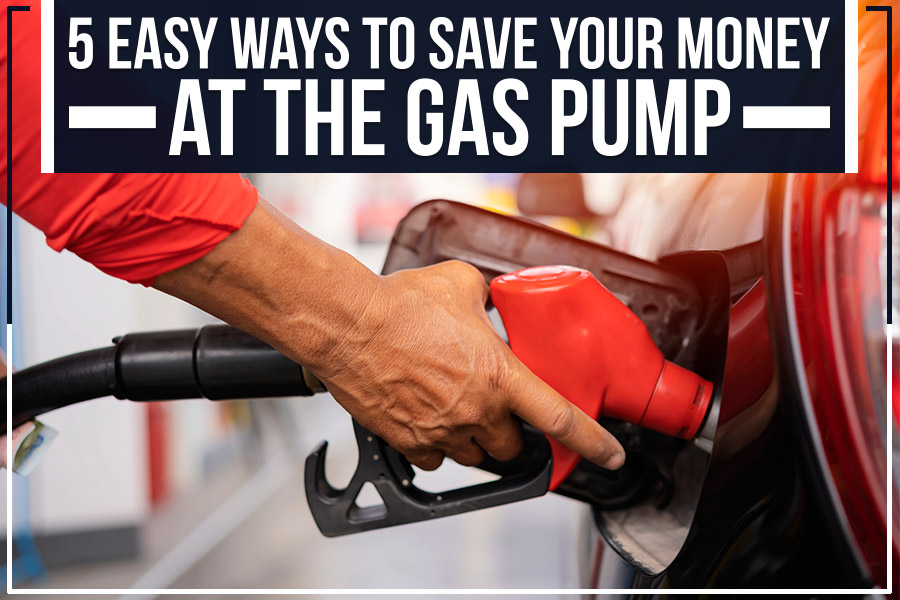
In this economy, even the most negligible savings can add up to larger amounts in the long run. Some of the biggest budget-busters are the things you’re most dependent on, such as the money spent at the gas station. The minor tweaks that you can introduce to your daily necessities can go a long way and make your car more fuel-efficient, thereby helping to ease the burden on your pocket and the environment.
Today, we bring you some of the easiest ways to save money at the gas pump. Let’s have a look!
Rewards Credit Card
Many gas stations offer loyalty card or privilege card perks to their regular customers. If you refuel on the same route every other day, or if your commute allows you to pass by the same station every day, you can consider applying for a rewards credit card. Reward cards can give you up to a 25{0e441d6ab9c1e194b10d298e630061aaec753b129dc4c400460f540cfce3613c} discount or more, depending on the volume and frequency of your fuel usage.
Avoid the Mistake of Premium Gas
If you have been refueling with premium gas only because you think it’s more fuel-efficient, you need to stop immediately. Every engine isn’t made for high-octane gas, no matter how fancy the idea sounds to you. Refer to your vehicle’s user manual or try ringing your manufacturer’s helpline to learn about your engine type and the recommended fuel.
Finds Online Deals
This may sound like an unrealistic suggestion, but if you’re a savvy user of coupons and online deals, then you won’t be surprised. Prices of gas may differ according to different locations. For example, gas stations near grocery stores are relatively cheaper when compared to others due to their loyalty programs and other offers. Use an app to guide you towards the best possible deals nearest to you.
Combine Your Errands into One
Your multiple insignificant trips take up more fuel than you can imagine. To be more fuel-efficient and save gas money, try combining your multiple tasks into one. Have to go to the grocery store and dry cleaners? Map out your route so that you can accomplish both (or more) tasks collectively. Such small yet strategic improvements can accumulate into achieving bigger results that will ease the burden on your pocket in the long run.
Avoid Aggressive Driving
Aggressive driving can mean a lot of things. But here, we are focusing on things such as tailgating, rapidly accelerating, and hard braking, all of which can lead to a lot of fuel consumption and are also very dangerous. So, avoid such driving habits to save money and potentially your life!
By keeping your car in good condition and following these simple tips, you can help improve your gas mileage and save money at the pump.
All of these tips are easy to follow and can save you money at the pump. If you’re looking for more great car advice, check out our blog today. We have plenty of great advice to help you improve your vehicle’s performance and keep your wallet a little fatter. Do you have any other concerns that we didn’t mention here? Reach out to us today at Vann York Toyota, serving High Point, NC. We have an extensive new and used car inventory where you can pick your fuel-efficient car today!
3 Benefits of Trading-in Your Vehicle & How to Do It

Like most people, your vehicle is your biggest investment. Take care of it and ensure that it’s in good condition. However, at times, it’s simply not worth repairing any longer. If that sounds like your situation, you may be interested in trading in your vehicle for a new one. This post will discuss the many benefits of trading in your car and how to do it quickly and easily.
Benefits of Trading in Your Vehicle
1) Save Money
One great thing about trading in your car is using the value of your old vehicle as a down payment for your new vehicle. This can effectively decrease the amount of money you need to finance, saving you money in interest rates over the life of your loan.
2) Save Time
It can save you time and hassle. Instead of selling your car privately, which can be very time-consuming, trading it in is simpler. You can usually do it all in one day, and you don’t have to worry about advertising, showing your car to prospective buyers, or haggling over price.
3) Feel Safe
When you sell your car privately, you have to be careful about who you’re dealing with. You never really know who you’re meeting, and there’s always the risk that something could go wrong. With a trade-in, you’re dealing with a professional dealership, so you can feel confident that everything will be handled safely and securely.
How to Trade in Your Vehicle?
Know Your Car’s Value
First, find out how much it’s worth – explore recent sales of similar vehicles in your area. You can also check websites like Kelley Blue Book or Edmunds to estimate your car’s value.
Once you know the worth, you can negotiate with dealerships. The trade-in value is usually lower than the private sale value, so don’t expect to get full market value for your car.
If you’re not happy with the offers from dealerships, you can always sell it privately. This will likely get you more money than trading it in, but it’s also more work. You’ll have to advertise your car, show it to potential buyers, and negotiate a sale price.
Repair Any Obvious Problems
Before you trade in, repair any obvious problems. This will help you get a higher trade-in value, and it will also make the car more appealing.
If your vehicle faces major mechanical issues, it’s probably not worth repairing them. But if there are any cosmetic problems, like a cracked windshield or dents and scratches, it’s worth fixing them.
Most dealerships have their body shops, so they may be able to give you a discount on the repairs. Or you can take your car to a nearby body shop and get an estimate.
Vann York Toyota, serving High Point, NC, is a renowned dealership serving the community for years. We are committed to providing our customers with the best possible experience and offer a wide selection of new cars for sale. Our sales team is educated, and they offer competitive financing options when you buy a new car. Check out our new cars here!
What to Do & Not Do If Your Car Overheats

If your car overheats, it’s essential to stay calm and take the proper steps to address the problem. This blog lists things you should do – and not do – when your car overheats. By following this advice, you can help prevent additional damage to your vehicle and ensure that it’s back up and running as soon as possible.
What Causes a Car to Overheat?
There are several reasons why cars overheat, but some of the most common include:
- Low coolant levels: If there isn’t enough coolant in your car, the radiator can’t properly do its job of keeping the engine temperature down. Check coolant levels regularly and top them off if necessary.
- Faulty radiator: The radiator is responsible for circulating coolant throughout the engine. If it’s not working correctly, the engine can overheat.
- Thermostat closed: The thermostat regulates coolant flow and controls the engine’s temperature. If it gets stuck in the closed position, it can cause the engine to overheat.
- Blocked radiator: A radiator can become blocked by debris or other objects, preventing coolant from flowing properly. Inspect your radiator regularly and clean it out if necessary.
What to Do When the Engine Overheats
- Pull over as soon as possible: Don’t try to tough it out and drive on. The longer you stay on the road, the more damage you’ll do to your engine.
- Please turn off the engine: Once you’ve pulled over, turn off the engine, and don’t start it again until it’s cooled down.
- Let it cool down: Don’t open the hood right away. The steam from the radiator can burn you. Wait for at least 15 minutes before opening it.
- Open the hood: Once the engine is cool, open the hood and look for any obvious problems, like a loose fan belt or leaks in the cooling system.
- Check the coolant level: If the coolant level is low, add more coolant (make sure to use the correct type). Don’t try to continue driving without enough coolant.
- Call rescue services: Call for help immediately if you notice additional problems, like an oil or transmission fluid leak. Don’t attempt to drive home – you could cause severe damage to your car and potentially put yourself in danger.
What NOT to Do When Car Overheats
- Ignore the problem: Trying to “tough it out,” and drive is almost always a bad idea. Ignoring an overheating car can lead to significant damage or engine failure.
- Depress the gas pedal: Depressing the gas pedal only makes your engine work harder, leading to more heat and making your situation worse.
- Turn on cold air: Switching between hot and cold air will not cool down your engine any faster; in fact, this may cause further damage by blowing dirt into the engine.
- Not consulting your mechanic: If you’re unsure of what to do or how to fix the issue, it’s always best to consult with a professional. Putting off a problem will only worsen it in the long run.
In the event of an overheating car, remember, it is important not to panic and not get flustered. Following the simple steps mentioned above will get you out of trouble. You can avoid the hassle of abruptly heating cars by scheduling frequent vehicle repair and maintenance services at Vann York Toyota, serving High Point, NC. Our experienced automobile repair professionals will take care of everything for you so that your car is running like new in no time! Schedule a service now.
Road Trip Ready? Make Sure Your Car is in Top Shape with These Essential Repair Necessities
Summertime is upon us, and the desire for road trips that send your excitement levels into overdrive comes. There’s nothing quite tranquilizing like hitting the open road, listening to your favorite tunes, and taking in the splendors of the wide open.
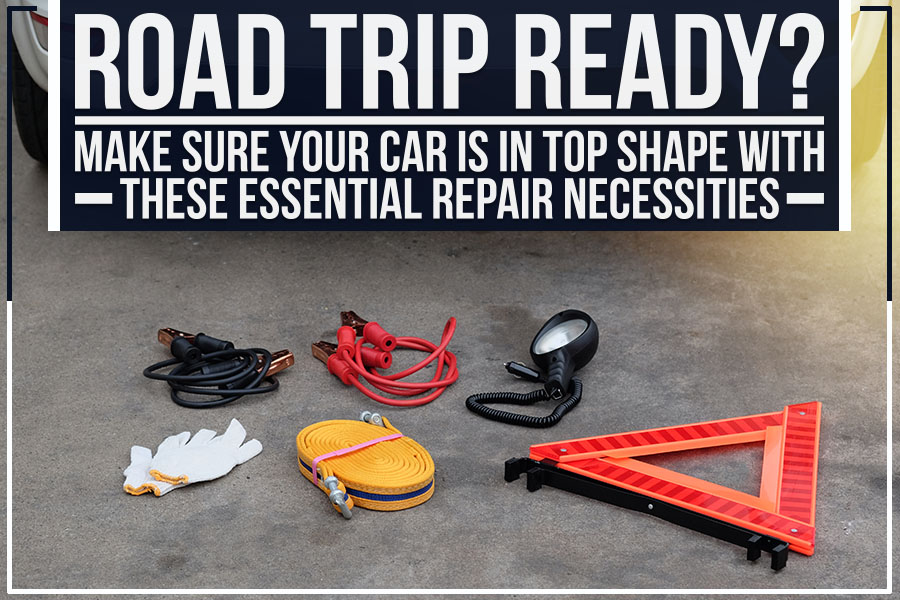
Before embarking on a road trip, make sure your car is ready by packing these essential repair items for the road trip.
Vann York Toyota serving High Point, NC, has put together this list of what repair necessities you should have before hitting the highway. By following these tips, you can rest at ease that your car is in good shape for the journey ahead. So without further ado, let’s get started!
Repair Necessity # 1: Spare Tire
One of the most frequent car problems on road trips is a flat tire. Make sure you have a spare tire in your trunk to prepare for this eventuality. You’ll require a few tools such as a lug wrench and a jack to change the tire.
Repair Necessity # 2: Jumper Cables
Another common car problem is a dead battery. Jumper cables will help you start your car if the battery dies.
Repair Necessity # 3: Tire Pressure Gauge:
It’s necessary to check your tire pressure before hitting the road. A tire pressure gauge will help you do this easily.
Repair Necessity # 4: First-Aid Kit
Accidents happen, so it’s always good to have a first-aid kit in your car. This way, you’ll be prepared for minor injuries. A first aid kit in your vehicle will come in handy if you or a passenger gets injured on the road.
Repair Necessity # 5: Flashlight
A flashlight comes in handy if you have car trouble at night. It will help you see what’s going on and make repairs if necessary.
Repair Necessity # 6: Spare Car Fuses:
Fuses help protect your car’s electrical system from overload. If a fuse blows, it will need to be replaced. It would be great if you always had spare fuses in your car to replace them.
Repair Necessity # 7: Spare Oil Quarts:
It’s good to have some spare quarts in the trunk. This way, you can top off the oil if necessary.
Repair Necessity # 8: Car Escape Tool:
A car escape tool can be a lifesaver if you get stranded in your car. It can help you break a window to get out of your vehicle in emergencies.
Repair Necessity # 9: Gas Can:
If you run out of gas, a gas can will come in handy. You can use it to fill up your tank and get back on the road.
Repair Necessity # 10: Flat tire inflation canister:
Keep a flat tire inflation canister in your car. In the case of a flat tire, an inflation canister can help you fill it up and get back on the road.
The Bottom Line:
You have ten essential repair items to pack before your next road trip. With these items, you’ll be prepared for any car trouble that may come your way.
Here at Vann York Toyota, we want to help you get your car ready for summer adventures. We have all the necessities you need to keep your vehicle running like new, from tire rotations to brake inspections and replacements. So what are you waiting for?
Schedule a service appointment right now, and let us take care of everything. And while you’re here, be sure to browse our new cars inventory. Safe travels!
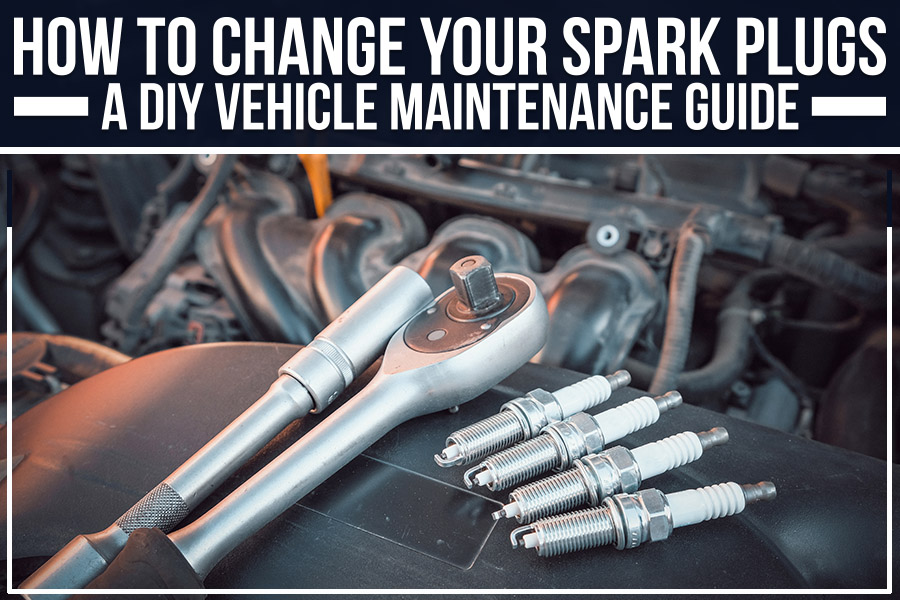
A time will come when you have to do some vehicle maintenance. One of the most common tasks is changing your spark plugs. Spark plugs wear out over time and need to be replaced for your car to run properly.
Vann York Toyota serving High Point, NC, will walk you through changing your spark plugs step-by-step. Please continue reading to discover how to accomplish this task!
#1: Remove the Old Spark Plugs
It is usually as simple as unscrewing them with a ratchet or socket wrench. Some spark plugs may be more difficult to remove than others, so use a little elbow grease if necessary.
#2: Inspect the Dirty Spark Plugs
Once the old spark plugs are out, please inspect them closely. If they’re covered in oil or carbon deposits, that’s normal and indicates that they’ve been doing their job.
However, if the electrode (the part of the plug that touches the spark) is worn down or damaged, that’s an indication that it’s time for a new plug.
#3: Clean Out the Spark Plug Holes
Before you can install the new spark plugs, you’ll need to clean out the holes in the engine. This is important because any debris in the hole can prevent the new plug from being seated properly.
You can use a wire brush or an air compressor to blow out dirt or debris. Be cautious that you don’t put anything down the gap that could fall into the engine.
#4: Install the New Spark Plugs
Now it’s time to install the new spark plugs. First, make sure you’re using the correct plug type for your vehicle. This information is usually provided in the owner’s manual.
Start by screwing the plug into the hole by hand. Once it’s tight, use a ratchet to finish tightening the plug. Don’t over-tighten it, or you could damage the threads in the hole. Repeat for all of the spark plugs.
#5: Test Your Spark Plugs for Proper Functioning
Now that you’ve replaced your spark plugs, it’s good to test them to ensure they’re working properly. The easiest method to achieve this is to put your automobile on the road and see how it performs. If the engine runs smoother than before, you’ve done a good job.
If you notice any problems, such as misfiring or poor fuel economy, you may need to adjust the gap on the spark plugs. It is something that you can usually do with a feeler gauge.
Consult your owner’s manual or a professional mechanic if you’re unsure how to do this.
And that’s all there is to change your spark plugs! You can save yourself a trip to the mechanic and some money with just a few simple tools.
The Bottom Line:
Changing your spark plugs is easy to keep your car running like new. And it’s a DIY project that you can do yourself with just a few simple tools.
If you prefer to have the professionals service your car, then please browse our inventory for the perfect replacement parts and schedule a service today. We want to help you take care of your car – and yourself – so you can enjoy many miles of worry-free driving. Thanks for choosing Vann York Toyota!
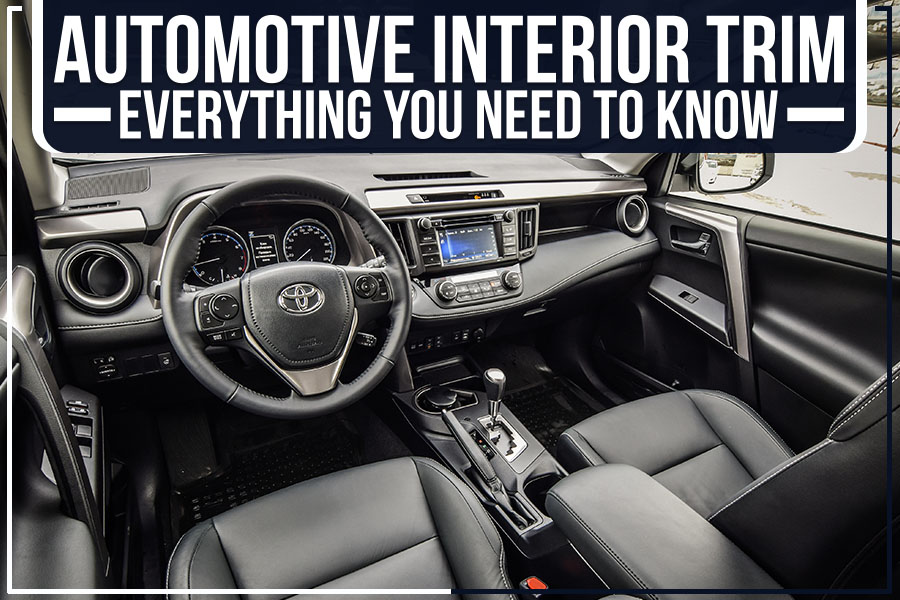
It’s a common misconception that the term automotive interior trim refers to the fabric or leather used in a car’s interior. While it includes those materials, automotive interior trim also encompasses a wide variety of other components. In this blog post, we’ll look at what automotive interior trim is and some of its most common components.
What Is Automotive Interior Trim?
Automotive interior trim is the upholstery and other materials inside a vehicle that contributes to its overall appearance. Automotive trim can be made from various materials, including cloth, vinyl, leather, and plastics. In many cases, automakers will use multiple materials in the same vehicle to create a unique look or offer extra comfort and durability levels. Automotive interior trim is an important part of the overall design of a vehicle, and it can have a big impact on the comfort and style of a car or truck.
Purpose Of Automotive Interior Trim
The purpose of automotive interior car trim is to improve the vehicle’s aesthetic appeal by providing a variety of colors, textures, and patterns.
In addition, the interior car trim can also help protect the car’s surfaces from scratches, dirt, and other damage. By covering exposed areas with trim, drivers can help to keep their cars looking new for longer. While many people choose interior car trim purely for aesthetic reasons, there are also functional benefits.
Ultimately, whether or not to use interior car trim is a personal one that should be based on both style and function.
Different Types Of Automotive Interior Trim
There are several different options to choose from when it comes to automotive interior trim.
- One popular option is leather trim, which can add a touch of luxury to any vehicle.
- Another popular choice is wood grain trim, giving a car a more classic look.
- There are also metallic and carbon fiber options available for those who want something different.
How To Care For Automotive Interior Trim
Anyone who owns a car knows that keeping the exterior clean is important. But what about the interior? The upholstery, dashboard, and other interior trim components are just as susceptible to dirt and wear as the paint and bodywork.
Here are a few tips for keeping your car’s interior looking its best:
- Start by vacuuming the upholstery and floor mats. Pay special attention to cracks and crevices where dirt likes to hide.
- Then, apply a cleaner specifically designed for automotive upholstery.
- Use a microfiber cloth dampened with water or an all-purpose cleaner to clean the dashboard and other plastic surfaces.
- Please avoid using any cleaners that contain alcohol, as these can damage plastic and cause it to crack.
- Finally, polish the leather surfaces with a conditioner so they feel smooth and supple.
By following these simple tips, you can keep your car’s interior looking new for years to come.
Vann York Toyota serving High Point, NC, is your go-to car dealership with a very high-quality collection of new and used cars. We boast a large inventory of new Toyota cars. You can get some amazing deals when you visit us – explore now!
Best 7 Tires for Hybrid SUVs
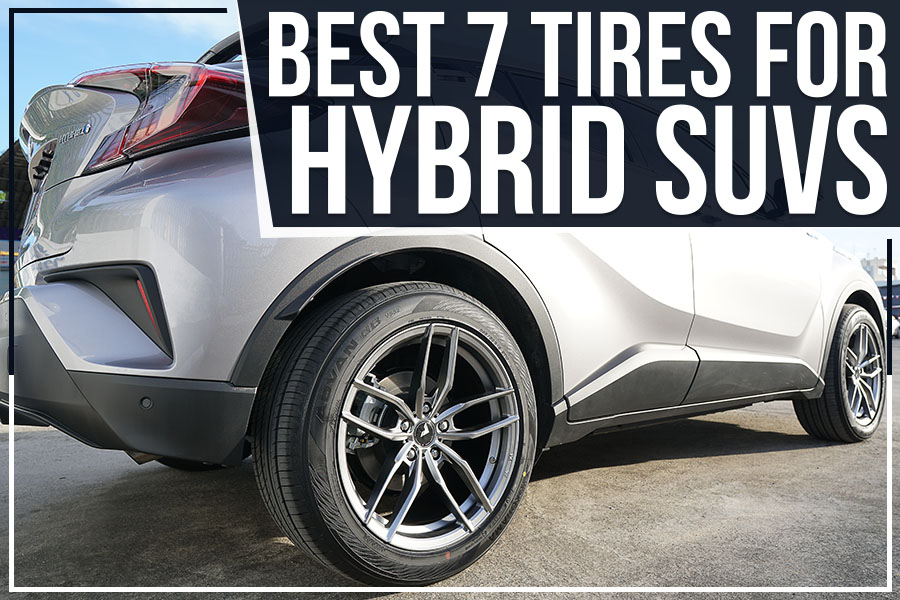
Are you the scornful owner of a hybrid SUV? If so, you know that you need to take care of it and make sure that you are using the best tires. Not all tires and wheels are made equal, and some can actually do more harm than good when used on a hybrid car. In this post, Vann York Toyota will tell you what the best tires for hybrid SUVs are so that you can keep your car running safely and smoothly. Happy driving!
-
Dunlop Enasave
The Dunlop Enasave EC is a great option when it comes to hybrid SUV tires. This tire is designed to provide fuel efficiency and low emissions, making it the perfect choice for eco-conscious drivers. The EC also features a tread pattern that helps to improve braking and handling in wet weather conditions.
-
Michelin Premier LTX
The Michelin Premier LTX is another excellent option for hybrid SUV owners. This tire was designed with comfort in mind, and it offers a quiet ride and long wear life. The Premier LTX also features a special rubber compound that helps to improve traction in both wet and icy conditions.
-
Continental CrossContact LX20
If you’re darting for a tire that can handle various driving conditions, the Continental CrossContact LX20 is a great option. This tire was built for drivers who want superior performance in wet and dry weather. It also comes with a tread pattern that helps to reduce noise levels on the road.
-
Bridgestone Ecopia EP422
The Bridgestone Ecopia EP422 is an excellent choice for hybrid SUV owners looking for fuel economy. This tire is designed to provide maximum fuel efficiency. It also comes with a tread pattern that helps to improve braking and handling in wet weather conditions.
-
Firestone Destination LE2
The Firestone Destination LE2 is ideal for drivers who want a reliable all-weather tire. This tire comes with an all-season tread pattern that provides superior traction in wet and dry weather conditions. It also has an extended tread life, making it a good choice for drivers who do a lot of highway driving.
-
Michelin Latitude Tour HP
The Michelin Latitude Tour HP is an immaculate choice for hybrid SUV owners looking for an all-weather tire. This tire comes with an all-season tread pattern that provides excellent traction in wet and dry weather conditions. It also has an extended tread life, making it a good choice for drivers who do a lot of highway driving.
-
Pirelli Scorpion Verde
The Pirelli Scorpion Verde is a fantastic choice for hybrid SUV owners who want an environmentally friendly tire. This tire is made with carbon-neutral materials. It features a low rolling resistance that helps improve fuel economy. It also provides exceptional traction in wet and dry weather conditions.
Ending Note
If you’re in the market for hybrid SUV tires, be sure to check out our selection at Vann York Toyota. Our car experts can help you find the perfect set of tires for your vehicle in High Point, NC, and get them installed quickly and easily. Schedule a service appointment today, and let us take care of everything!
Connect with us


